
Personal loans are a popular and easy way to get money quickly to pay for unexpected costs or to combine debt. But because so many different lenders offer personal loans, choosing the best one is not always easy. Every possible way to borrow money has its own set of pros and cons. Before getting a personal loan, you should know about the different types of lenders. This article will discuss the types of personal loan lenders and how a personal loan works.
Understanding Personal Loan
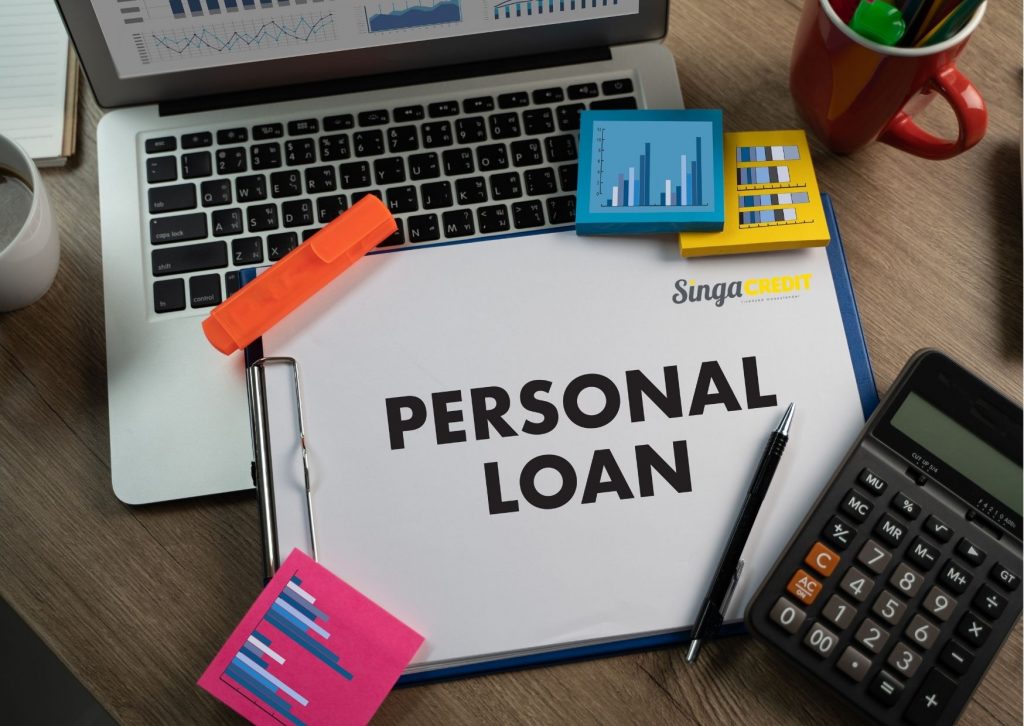
A personal loan is a sum you can borrow for various things. Personal loans are often unsecured. There is a choice of either a fixed or variable interest rate plan for a personal loan. Numerous situations are suitable candidates for taking out a personal loan. Moving fees, wedding expenses, home improvement charges, death costs, and other costs can all be covered by personal loans.
Types of Personal Loan
There is a wide variety of types of personal loans. Each one possesses a one-of-a-kind combination of qualities and advantages. You can choose from several options available. The following are the types of personal loans:
- Secured Personal Loans
- Unsecured Personal Loans
- Debt Consolidation Loans
- Home Improvement Loans
- Medical Loans
- Payday Loans
- Student Loans
How a Personal Loan Works?
Want to know how a personal loan works? Read on.
Personal loans are a form of unsecured installment loan that individuals can take out. Instead, a borrower's salary and other financial considerations are considered when a lender makes a decision.
The borrower applies for a loan and, if granted, receives a large sum of money. They are then required to repay the loan in equal monthly installments over a certain amount of time. This is commonly between two and five years. In most cases, the interest rate on a personal loan is fixed. This means it does not change during the loan's payback duration.
What are Personal Loan Lenders?

Personal loan lenders can be either financial institutions or private individuals. Borrowers can obtain personal loans from either type of lender. Personal loan lenders first assess the amount that can be borrowed and the interest rate. Also, the terms under which the loan must be repaid are based on the borrower's credit score, income, and the ratio of their total debt to their income. Many distinct categories of financial institutions offer personal loans, each with its benefits and drawbacks.
Types of Personal Loan Lenders
It is essential to consider various aspects when selecting a lender for a personal loan. You can improve your chances of finding the greatest deal by looking into several lending options and shopping around. The following are the types of personal loan lenders that offer personal loans:
Traditional Banks and Credit Unions
These financial institutions are the most typical providers of individual loans. They provide various loan products. It includes personal loans with and without collateral. It also often has strict eligibility conditions, such as a solid credit score and consistent income.
Online Lenders
Traditional banks and credit unions have been challenged in recent years by the rise of the online lending industry. They provide rapid and hassle-free access to personal loans at competitive interest rates. Also, they offer flexible repayment terms. However, borrowers must be wary of the possibility of being scammed and the high fees associated with certain online lenders.
Peer-to-Peer (P2P) Lending Platforms
Platforms for peer-to-peer (P2P) lending connect individuals looking for loans with investors willing to make loans. These platforms typically provide more lenient eligibility conditions and lower interest rates than conventional financial institutions. This includes banks and credit unions.
Credit Card Cash Advances
Borrowers are granted the ability to withdraw cash from their credit card accounts through cash advances. Cash advances, despite their portability, are generally associated with high-interest rates and costs. This makes it an expensive choice when it comes to borrowing money.
5 Common Reasons to Consider a Personal Loan

Getting a personal loan could be necessary for several reasons. The common 5 reasons are as follows:
- To consolidate debt
- If you want to cover an unexpected expense
- To finance a major purchase
- To build credit
- If you are thinking of starting a business
Your current financial status and requirements should ultimately determine the decision to take out a personal loan. It is essential to consider the interest rate and the repayment terms. Also, to borrow no more money than you can comfortably pay back.
Choosing the Right Personal Loan Lender
Choosing the right personal loan lender is tough and very important. When looking for a lender for a personal loan, it is important to consider your present and future financial needs and goals. Determine which financial institutions you might be qualified to borrow from by looking at your income and credit score. The next step is to gather information from several lenders. Gather information regarding their interest rates, fees, and other loan parameters to identify the best solution.
Before committing to a loan, studying customer reviews is a good idea. Also, check for any complaints or warning signs, and make sure there aren't any red flags. Doing so can protect you from fraudulent loan practices and cons.
To Wrap Up
Personal loans can be extremely useful for effective financial management. Also, it is important for accomplishing personal objectives. However, finding the right lender for a personal loan can be challenging because there are so many different options. You must seriously consider your specific financial requirements. Also, investigate several lending options to select the most suitable for your circumstances.
You can gain access to the finances you require and reduce your overall borrowing expenses by selecting a lender who has a solid reputation. Also, you can gain and ensure a great experience by choosing a good lender who can be trusted. In addition, you can feel confident about achieving your goals and taking control of your financial situation if you obtain the appropriate personal loan from the lender.